


Damien Hirst
One of the defining figures of contemporary British art, Damien Hirst built an unmistakable visual language around beauty, mortality, belief and repetition. From butterflies and spots to pharmaceuticals and monumental installations, his work turns familiar symbols into highly controlled systems.
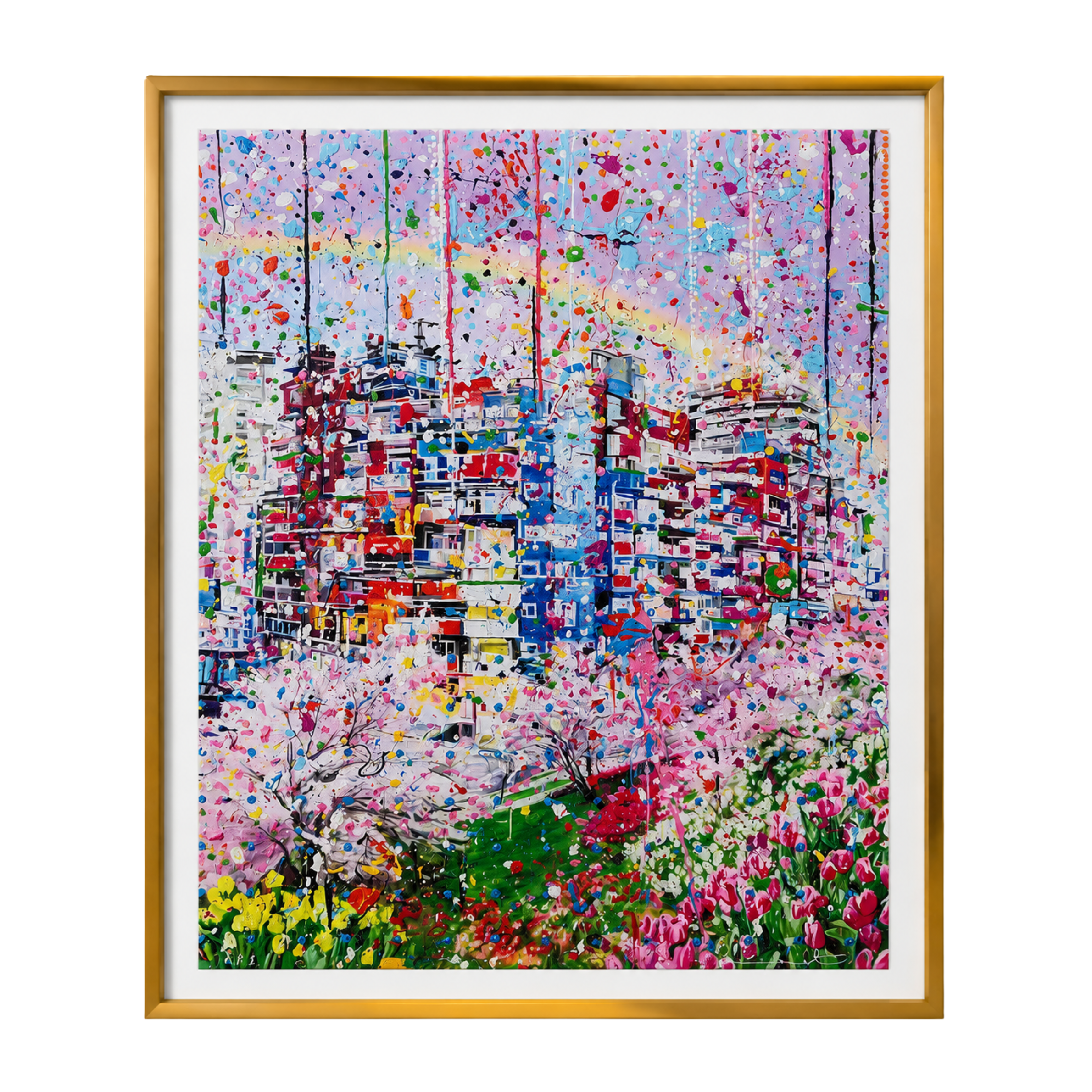
Biography
Damien Hirst was born in Bristol in 1965 and became a central figure in the generation later known as the Young British Artists. His rise in the late 1980s and 1990s helped reshape the international perception of contemporary British art.
Across sculpture, installation, painting and editions, Hirst repeatedly returns to systems and symbols: butterflies, pharmaceutical packaging, spots, skulls, vitrines and serial structures. Beneath the polished surfaces sit persistent questions about life, death, faith, science and value.
For collectors, the series structure is particularly important. Edition, scale, colourway, signature, condition and the relationship of an individual work to a larger body all form part of understanding a Hirst edition.
Available works
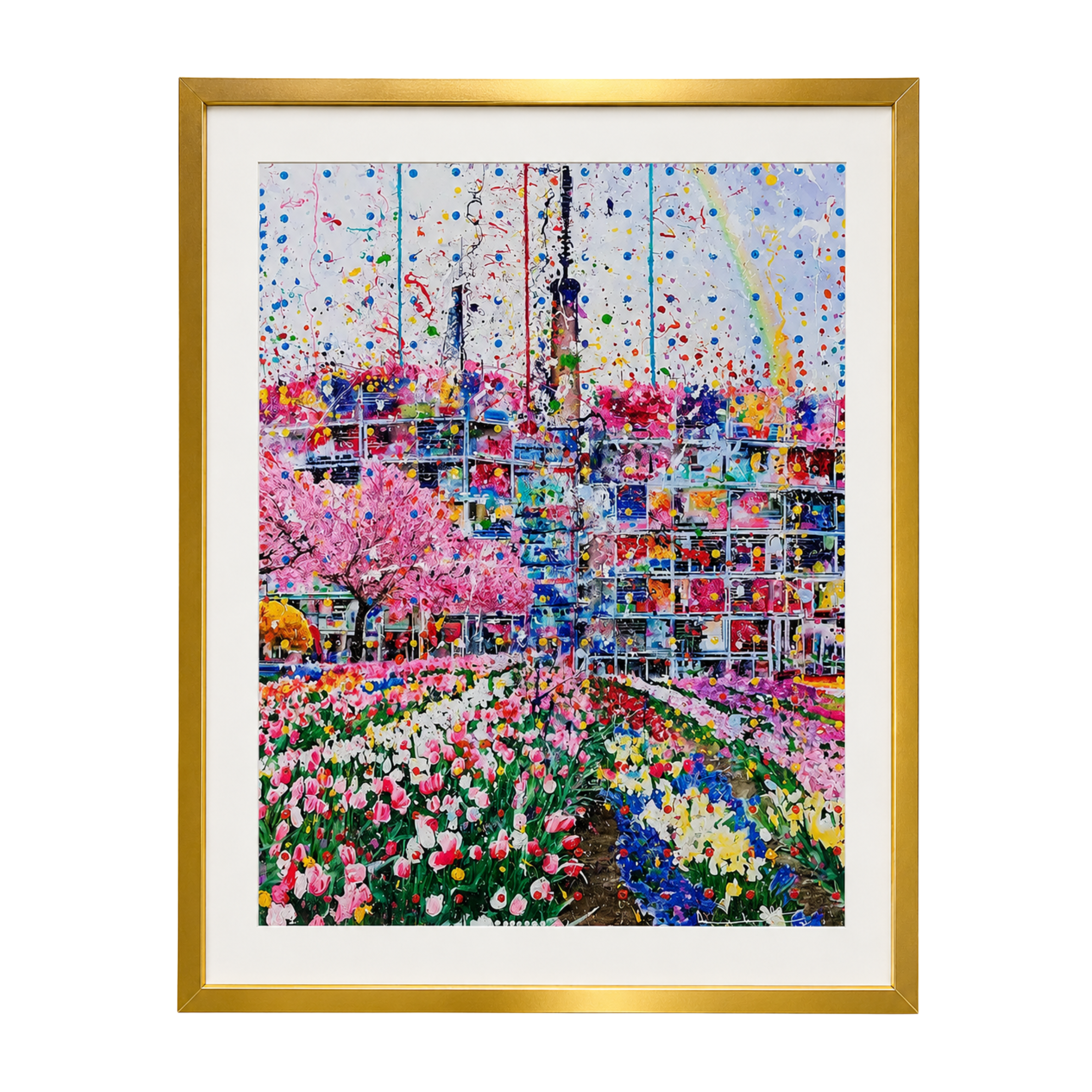
Civilisation Exploding
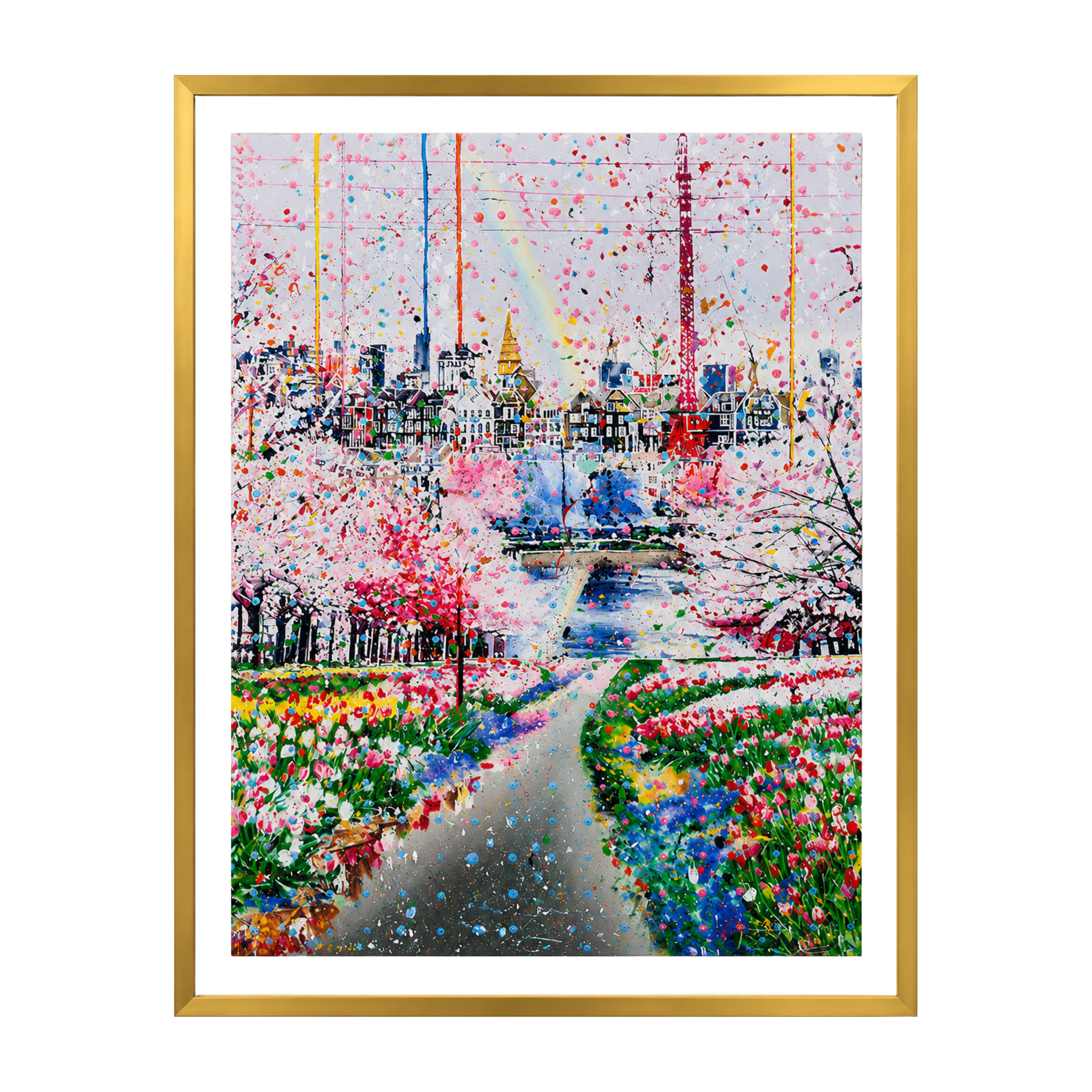
Civilisation Explained
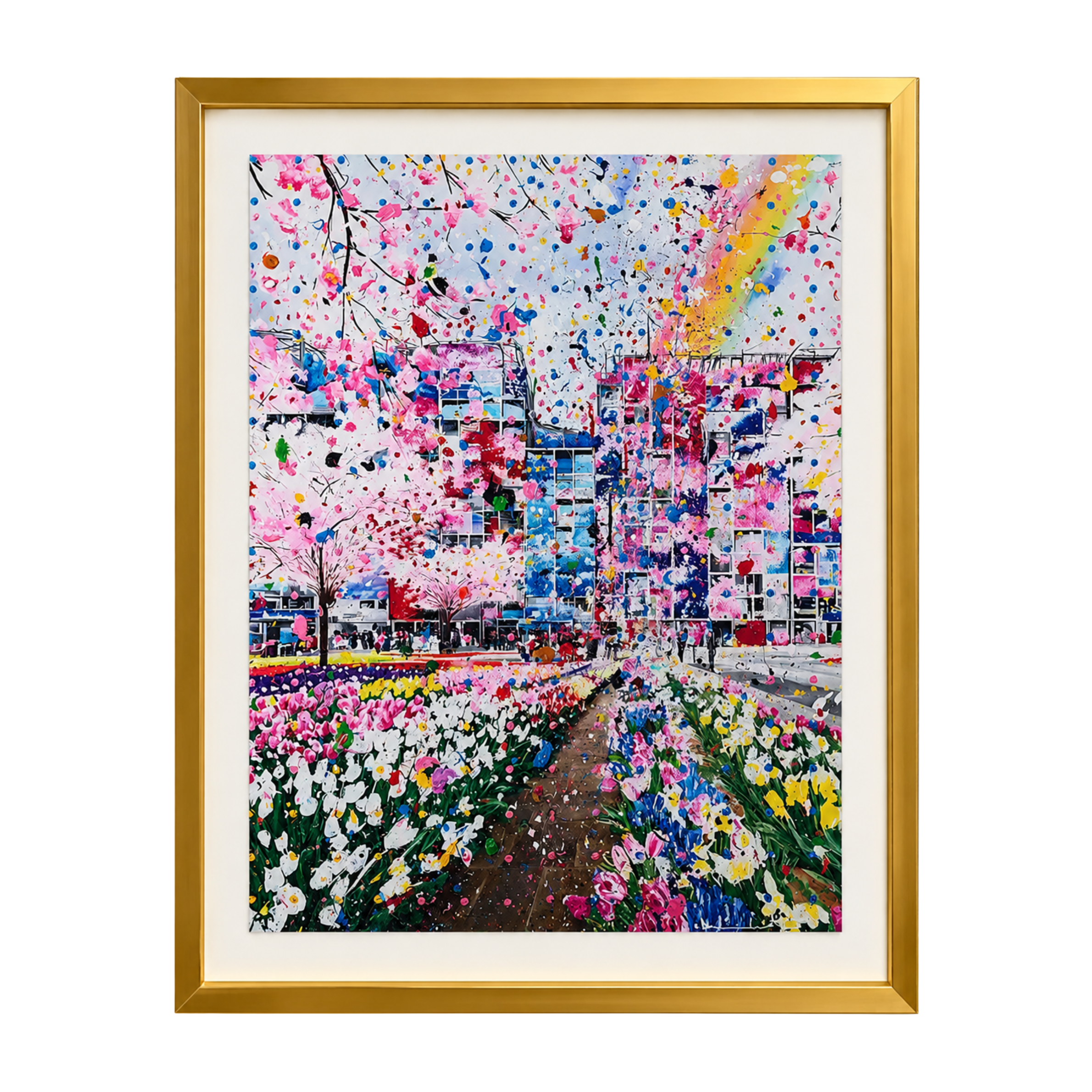
Civilisation Falling
Civilisation Rising
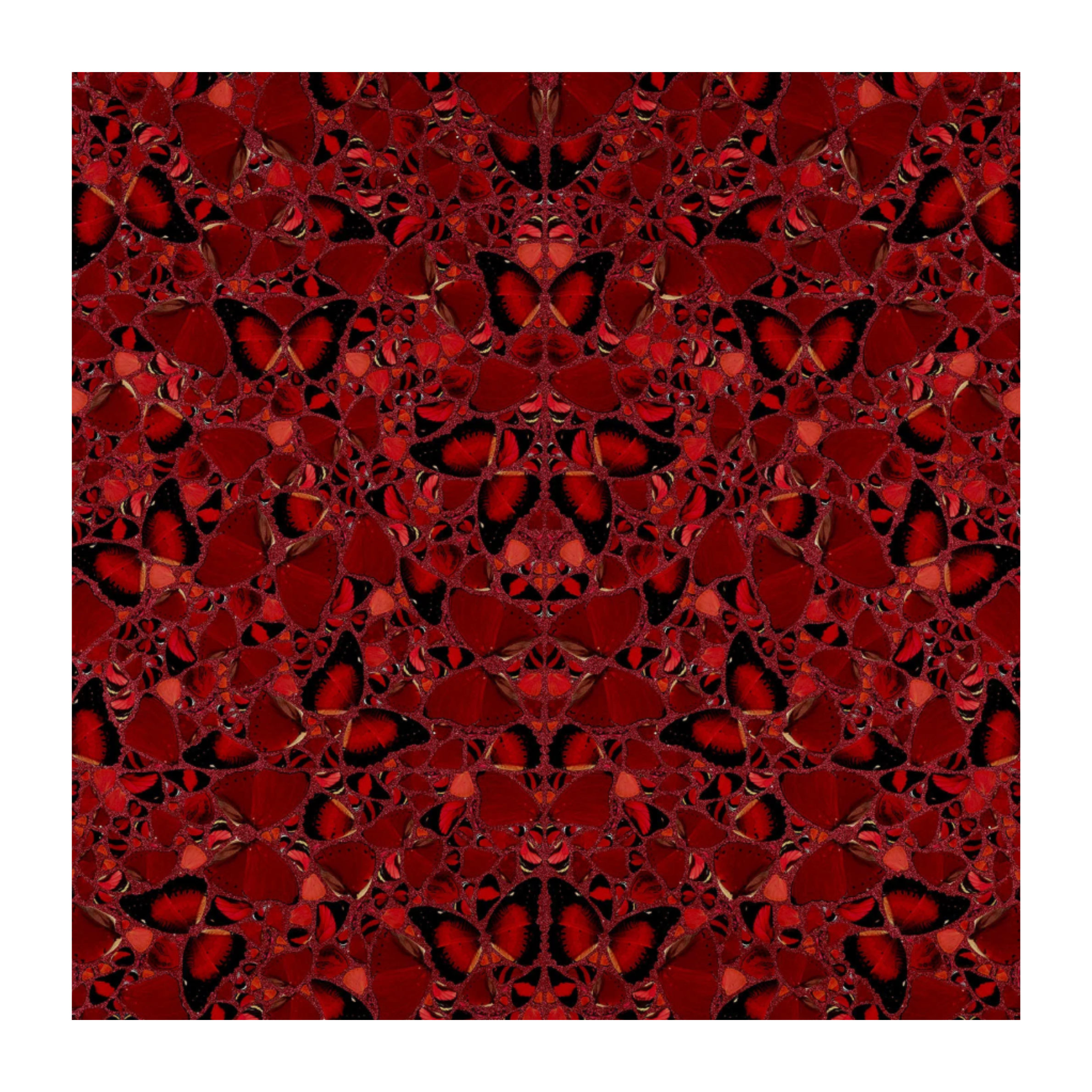
Theodora
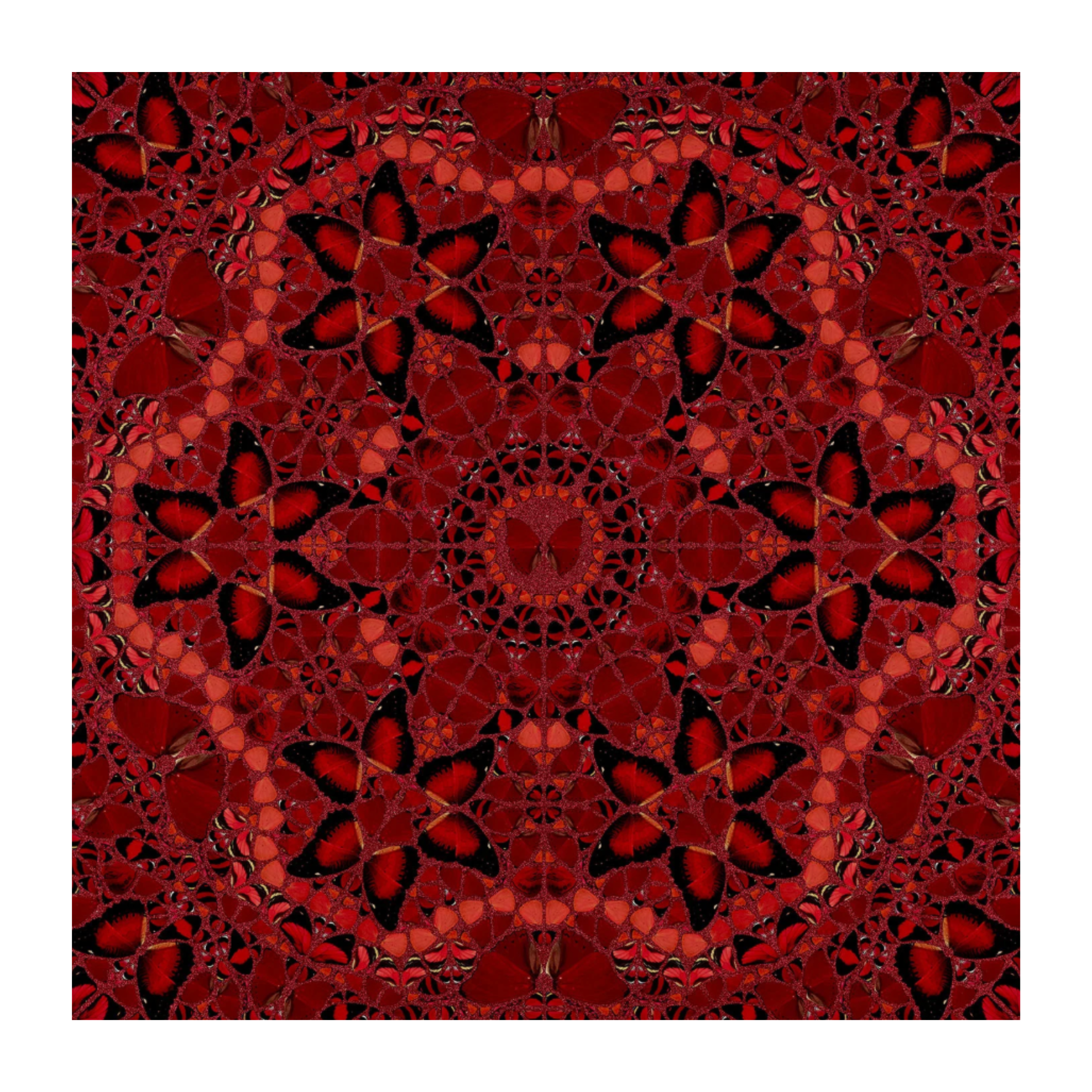
Wu Zetian
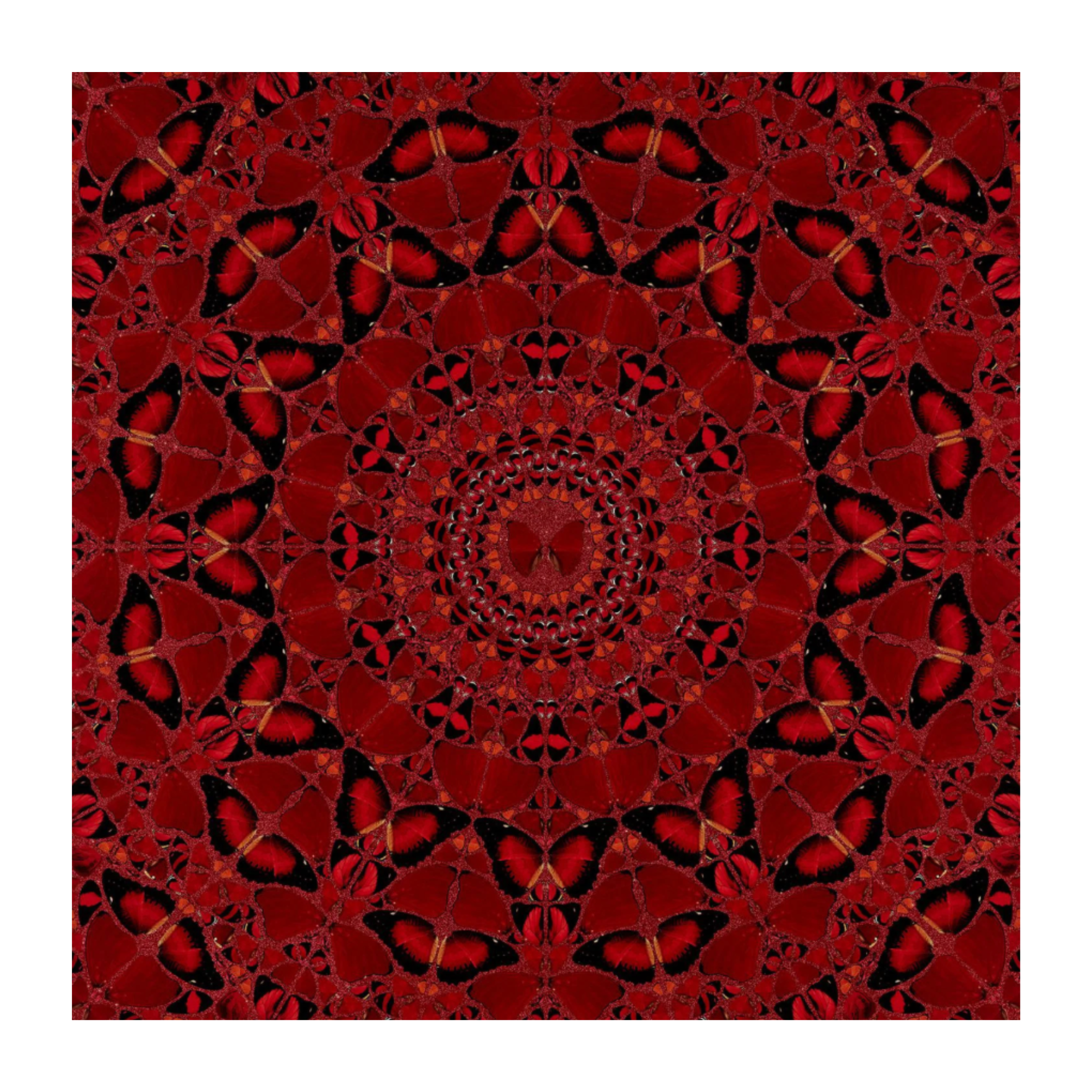
Suiko
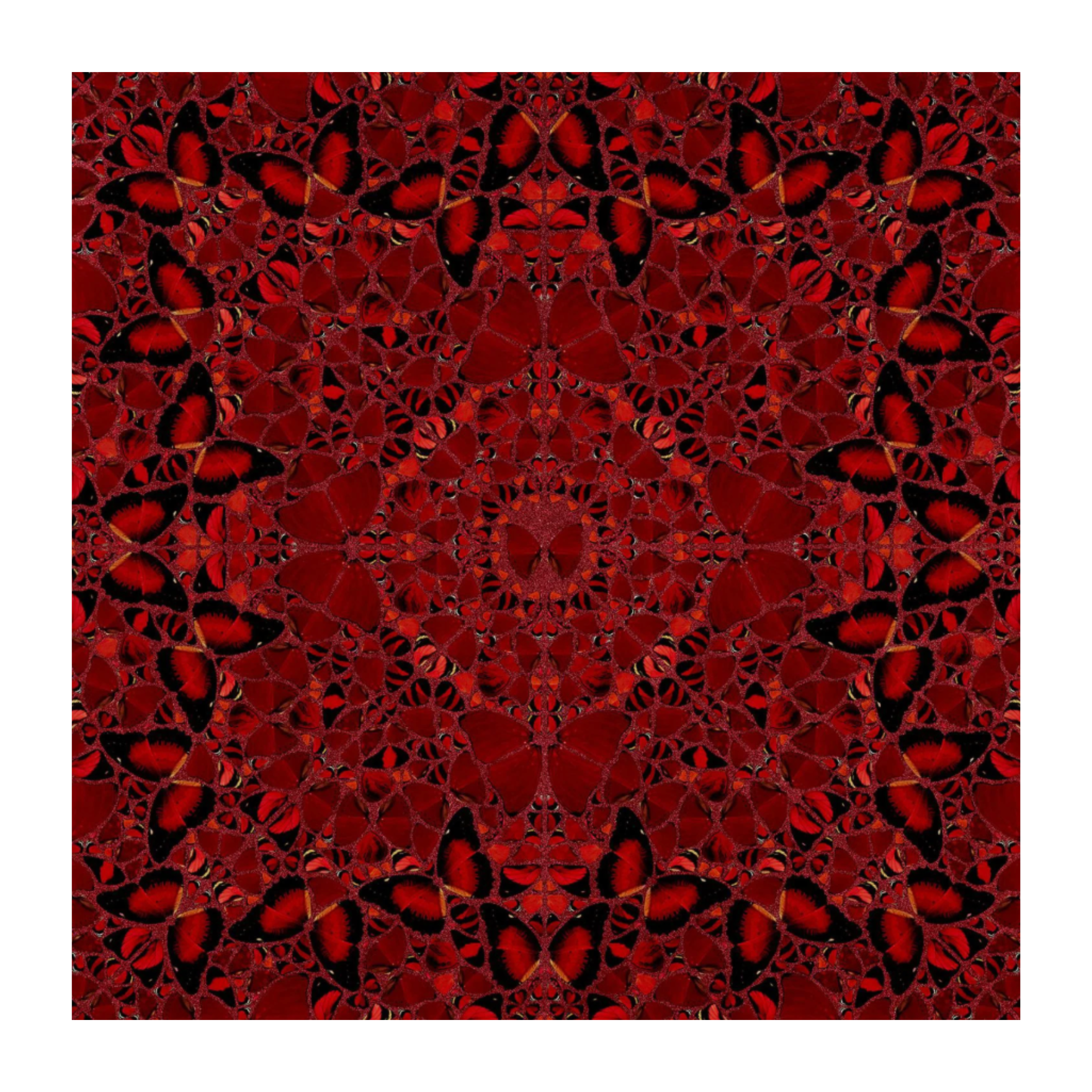
Nur Jahan
Highlights
- One of the most internationally recognised names in contemporary British art.
- Highly identifiable motifs with substantial visual impact.
- Strong series-based collecting across editions and colourways.
- The current Indelible selection spans both the Civilisation and Empresses bodies of work.
- Clear points of comparison around edition, scale, framing and condition.
References
These institutional and artist-led resources provide further context for Hirst’s career, major bodies of work and place within contemporary British art.
At Indelible
Our current Damien Hirst selection is particularly strong in two recognised edition series: Civilisation and The Empresses. The four Civilisation works are currently listed individually at £8,000, while Theodora, Wu Zetian, Suiko and Nur Jahan are each listed at £5,000.
The gallery also currently lists The Empresses as a complete set at £17,000. We can advise on individual editions versus collecting a complete group, along with framing, condition and presentation.
Explore the current Damien Hirst selection or contact us for edition details, condition information and collecting advice.