Upcoming exhibitions.
Get ready for a season packed with creative buzz and iconic art moments! Here’s what’s happening at Indelible Fine Art and with our standout artists:
The Lily Foundation Charity Show
Indelible Fine Art × The Lily Foundation
Art with purpose. Hope in every piece.
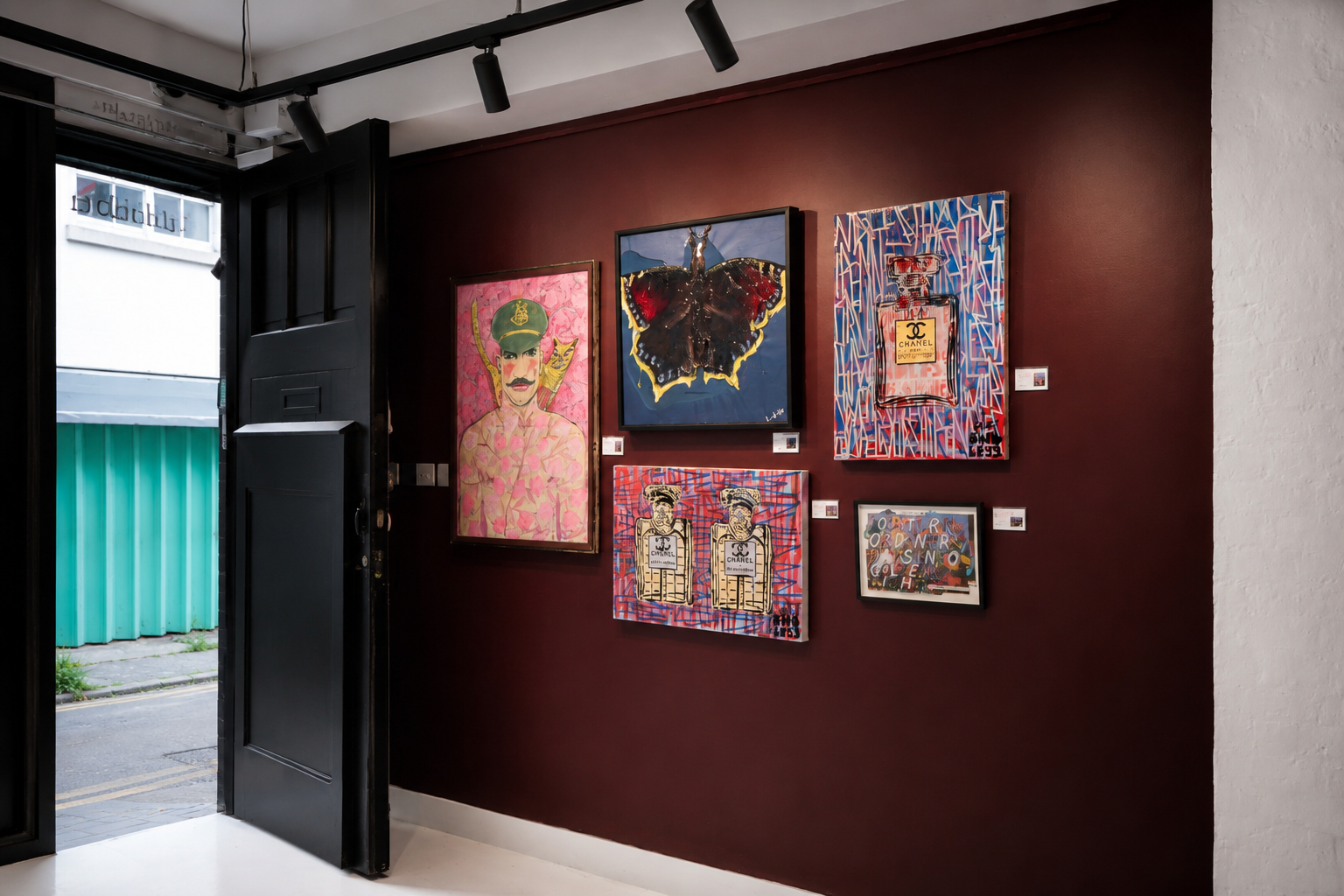
Join us at Indelible Fine Art for a special charity exhibition supporting The Lily Foundation and its vital work helping families affected by mitochondrial disease.
The exhibition brings together an exciting collection of original artworks and limited editions from leading contemporary and urban artists. Each work has been selected or created in support of the charity, with 100% of the gallery’s proceeds being donated to The Lily Foundation.
Supporting The Lily Foundation
One exhibition. An incredible group of artists. A shared mission to help fund research and support families affected by mitochondrial disease.
The Exhibition
Collect art.
Support change.
Discover original paintings, sculptural works and limited editions throughout the gallery. All works will be available to purchase during the exhibition.
Featured Artists
Visit the Exhibition
Open at Indelible Fine Art
until 2 August 2026.
9–10 Jew Street, Brighton, BN1 1UT
Beyond St Ives
About the Exhibition
Cornwall, Abstraction, and the Long Shadow of Modern British Art
Cornwall has long occupied a singular position within British art history. Geographically peripheral yet culturally magnetic, it has repeatedly drawn artists seeking distance from metropolitan convention and proximity to something more elemental — light, land, weather, rhythm, and belief.
This exhibition traces the Cornish lineage of modern British art, focusing on abstraction, spiritual formalism, and painterly autonomy. It examines how artists working in and around Cornwall helped reshape post-war British painting, often in quiet opposition to London-centric narratives, and how this legacy continues to reverberate today.
The Newlyn School and the Foundations of Cornish Art
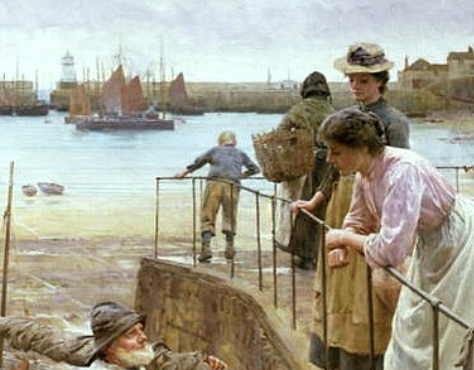
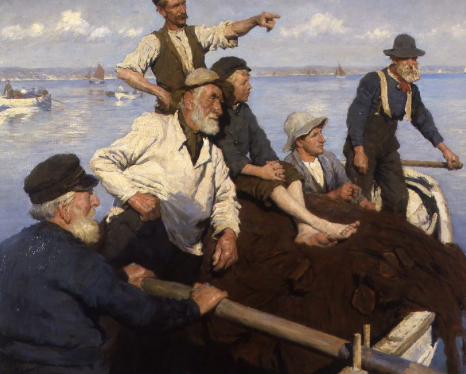
The story begins in the late 19th century with the Newlyn School, a loose collective of artists drawn to Cornwall’s fishing communities and distinctive light. Influenced by French plein-air painting, Newlyn artists prioritised realism, labour, and everyday life — fishermen, harbours, domestic interiors — painted directly from observation.
While figurative in nature, the Newlyn School established something crucial: Cornwall as a place where artists could work outside institutional pressure, responding instead to environment, community, and lived experience. This ethos would quietly underpin the radical developments that followed.
St Ives: From Landscape to Abstraction
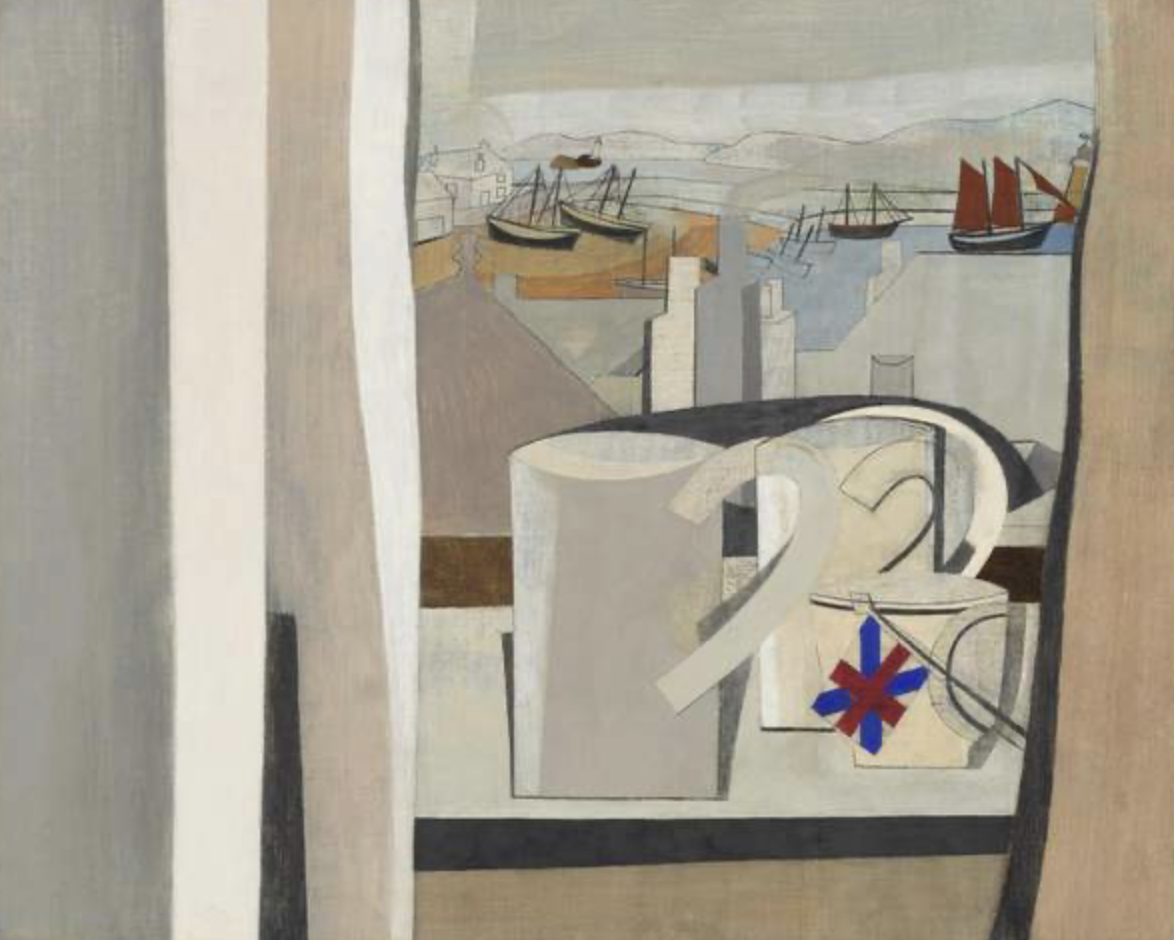
By the mid-20th century, Cornwall — and St Ives in particular — had become the epicentre of British modernism. The St Ives School marked a decisive shift away from representation toward abstraction, formal experimentation, and spiritual inquiry.
Unlike their continental counterparts, St Ives artists did not abandon landscape — they absorbed it. Sea, stone, sky, and wind were translated into rhythm, geometry, colour, and gesture. Abstraction here was not theoretical; it was physical, environmental, and deeply felt.

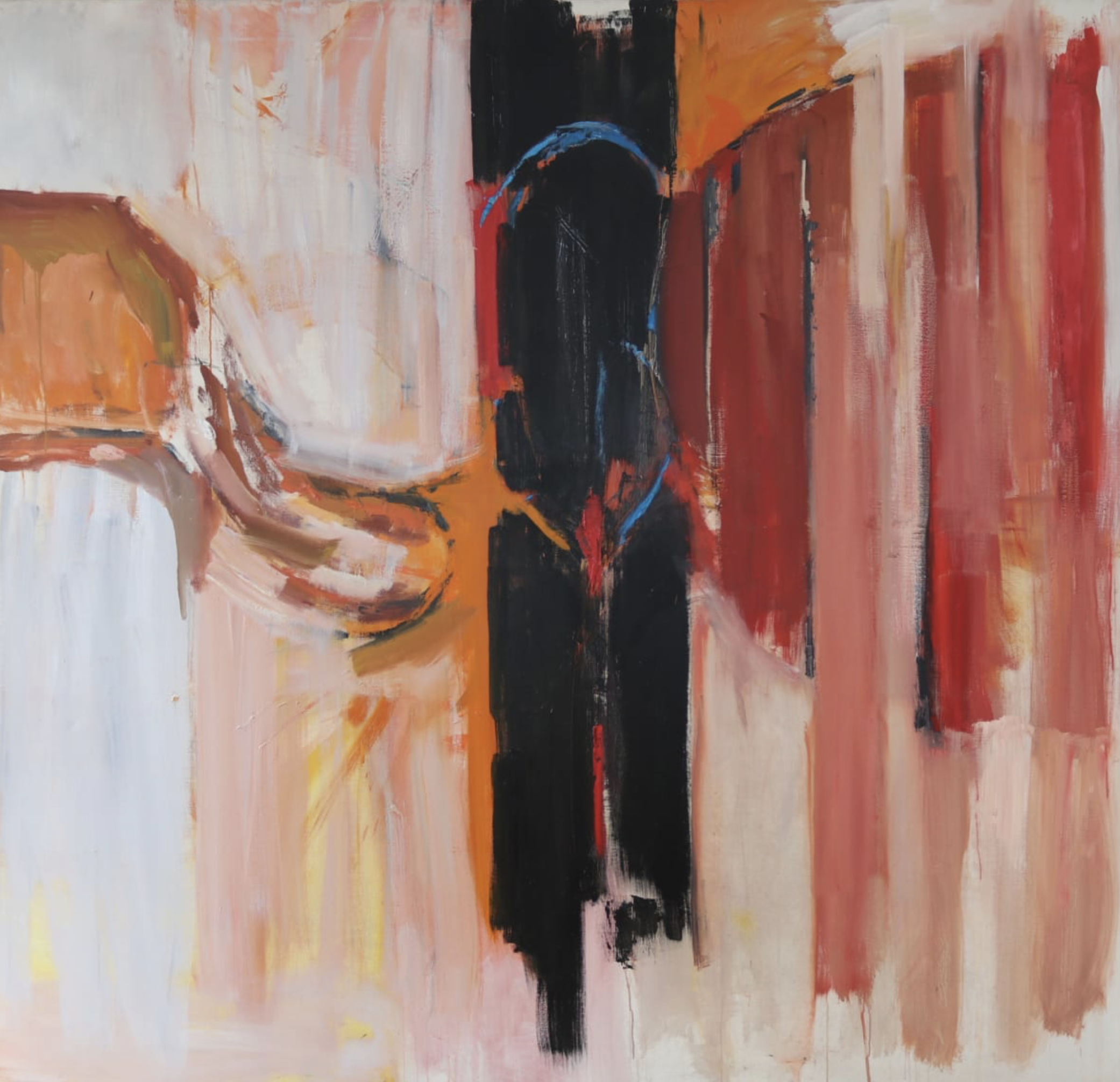
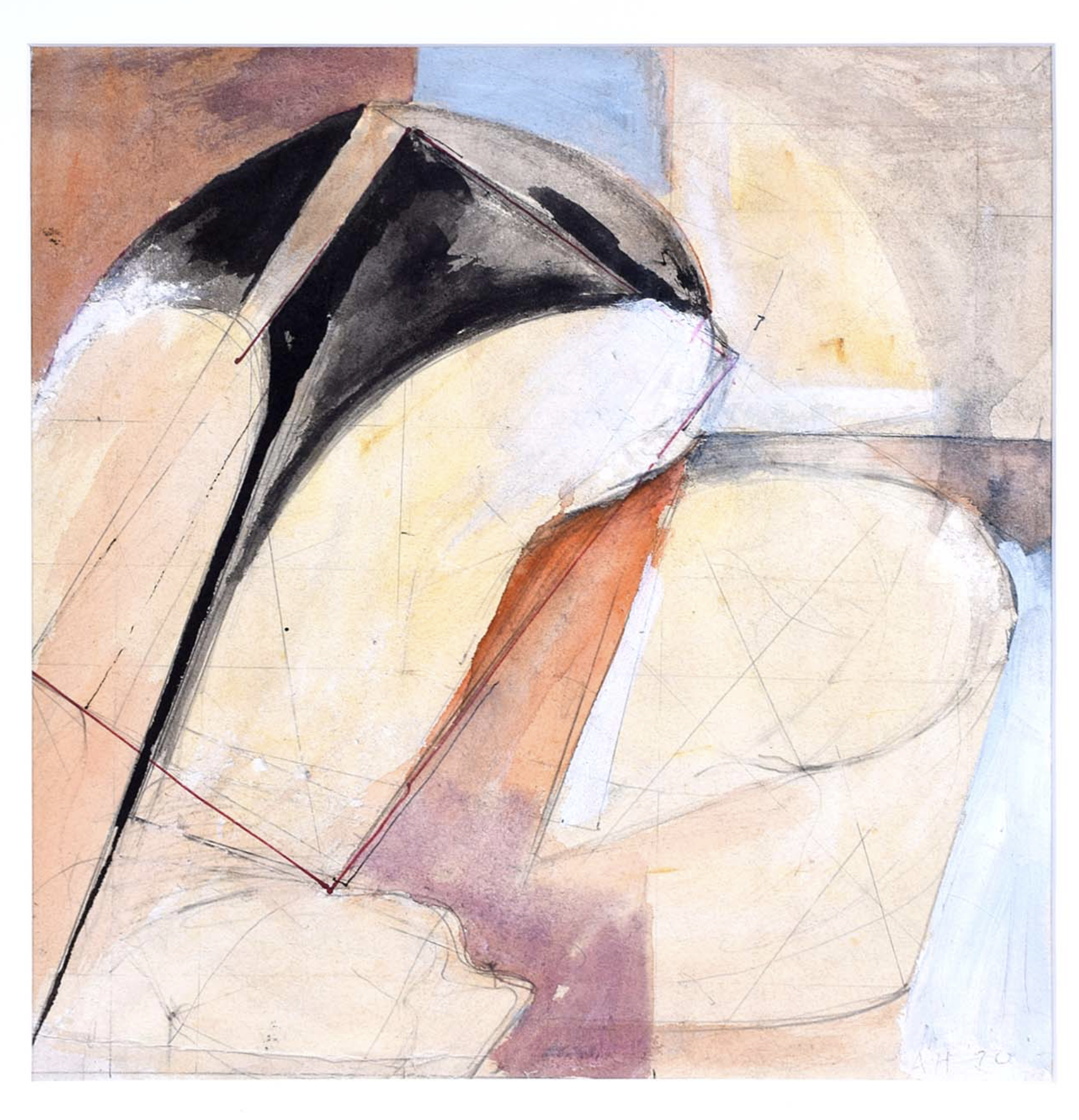
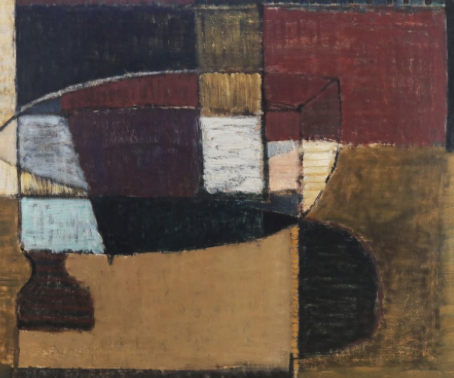
Adrian Heath and the Discipline of Form
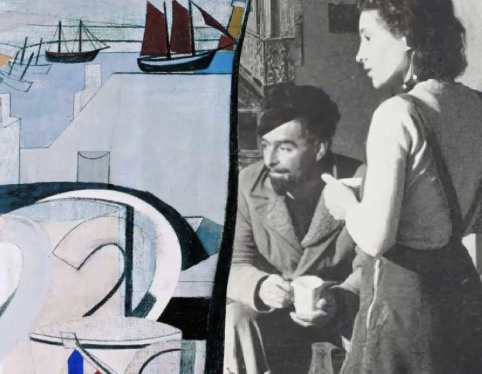
Adrian Heath was central to the intellectual rigour of British abstraction. His work balanced colour relationships, structural tension, and spatial clarity, influenced by Constructivism yet softened by the Cornish environment.
Heath represented a belief that abstraction could be both emotionally restrained and philosophically charged — a language capable of clarity without coldness. His presence in Cornwall reinforced St Ives as a place where abstraction was taken seriously, not decoratively.
Paul Feiler: Geometry, Faith, and Inner Structure
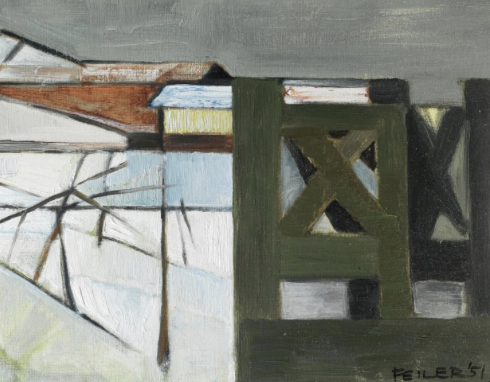
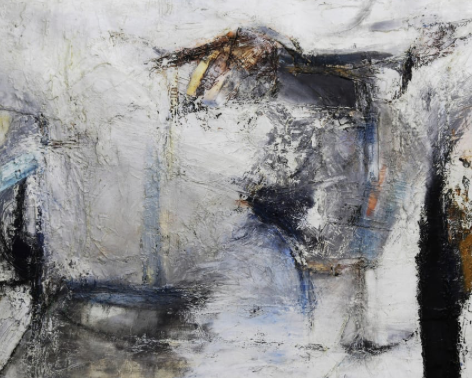
A key figure in this exhibition, Paul Feiler brought a profound spiritual and ethical dimension to abstraction. A German-born refugee, Feiler’s work fused rigorous geometry with deeply personal belief systems, often rooted in Christian theology and moral order.
His paintings are meditative without being passive — ordered yet charged. In Cornwall, Feiler found a setting where abstraction could exist as a moral and spiritual practice, not merely a formal one.
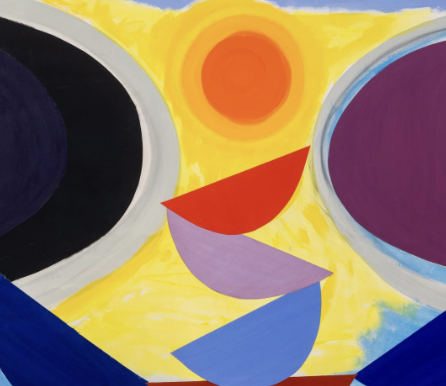
Terry Frost and the Liberation of Colour
Where others pursued restraint, Terry Frost embraced colour as force, movement, and emotional release. His work pulses with arcs, diagonals, and saturated hues, echoing the vitality of the Cornish coast.
Frost’s contribution lies in demonstrating that abstraction could be joyful, expansive, and bodily — a language of lived experience rather than pure theory. His work helped dismantle the idea that seriousness in abstraction required austerity.
Simeon Stafford and the Persistence of Place
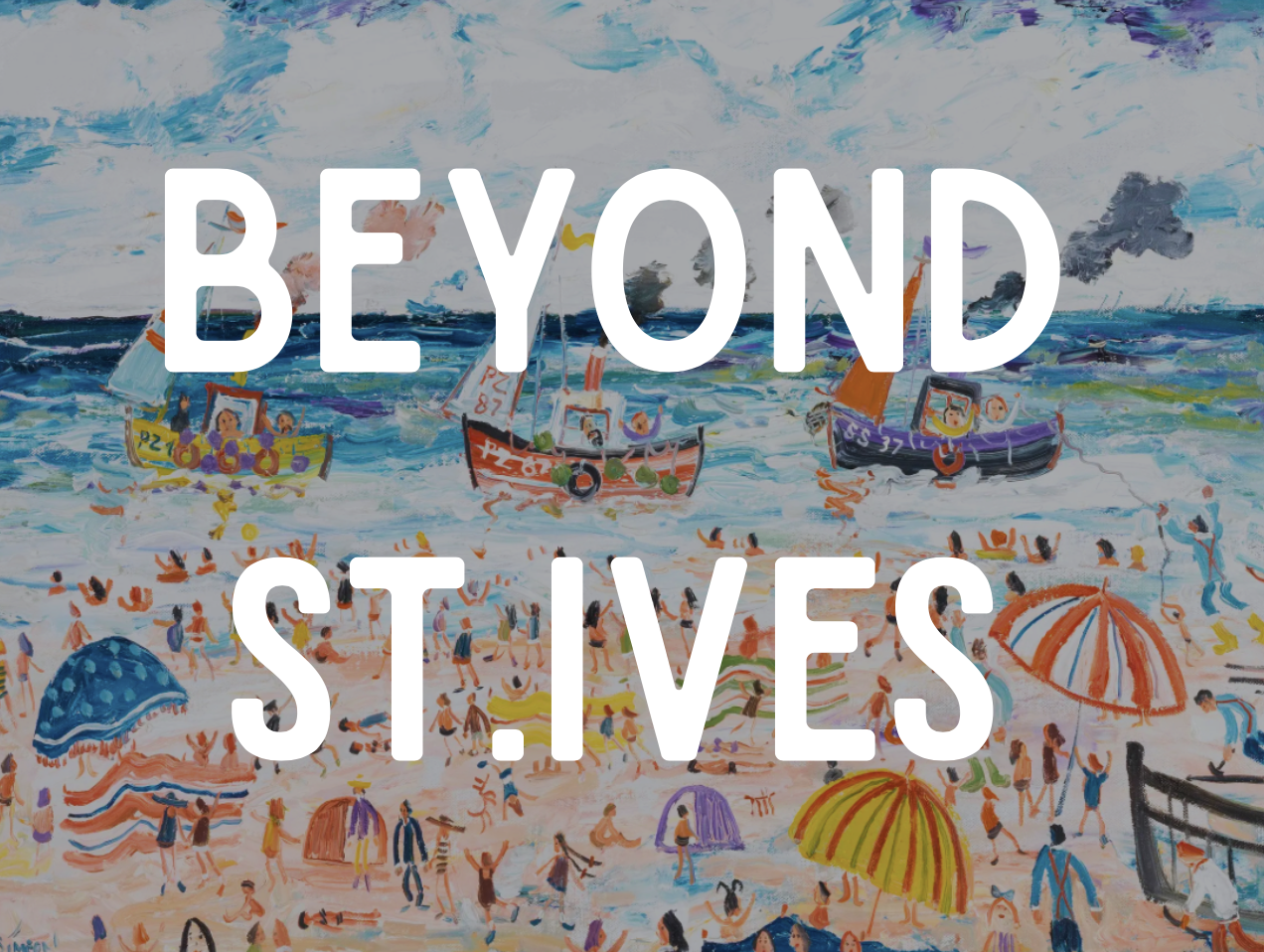
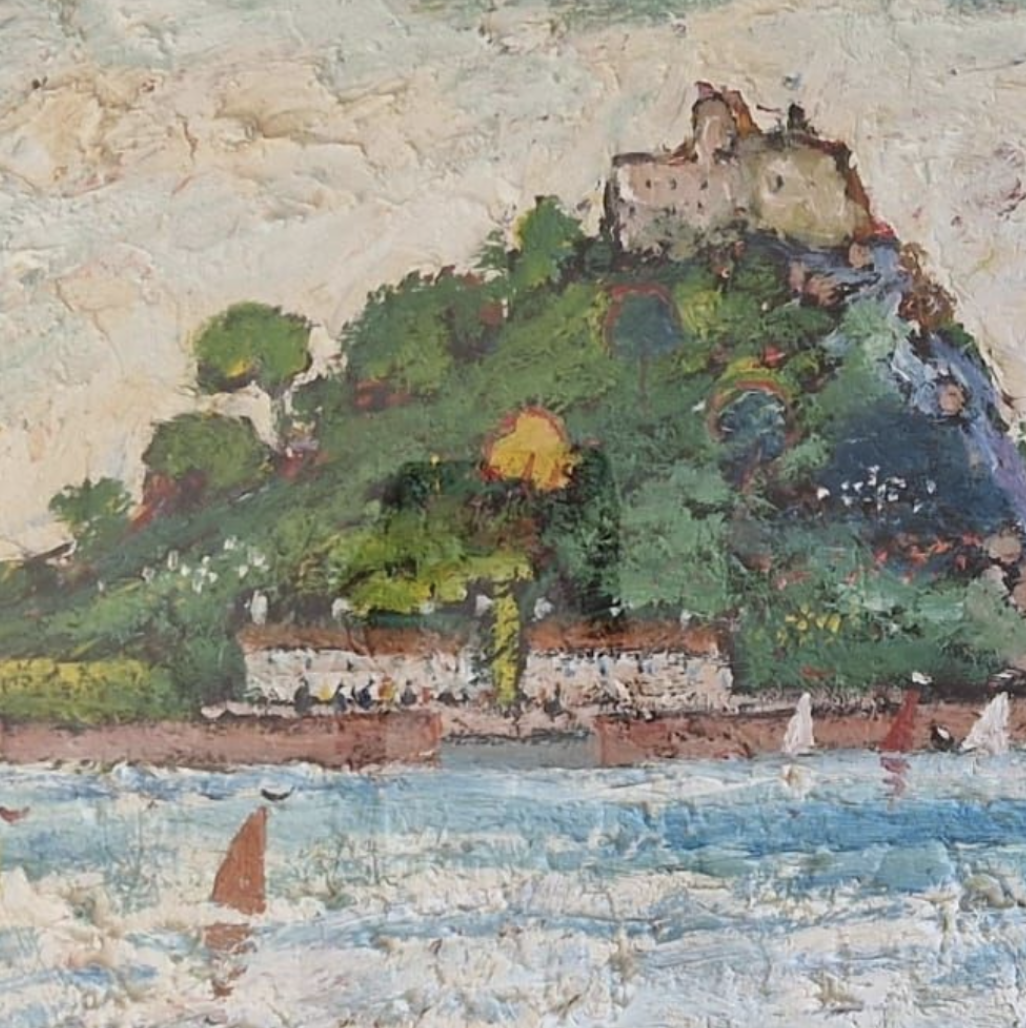
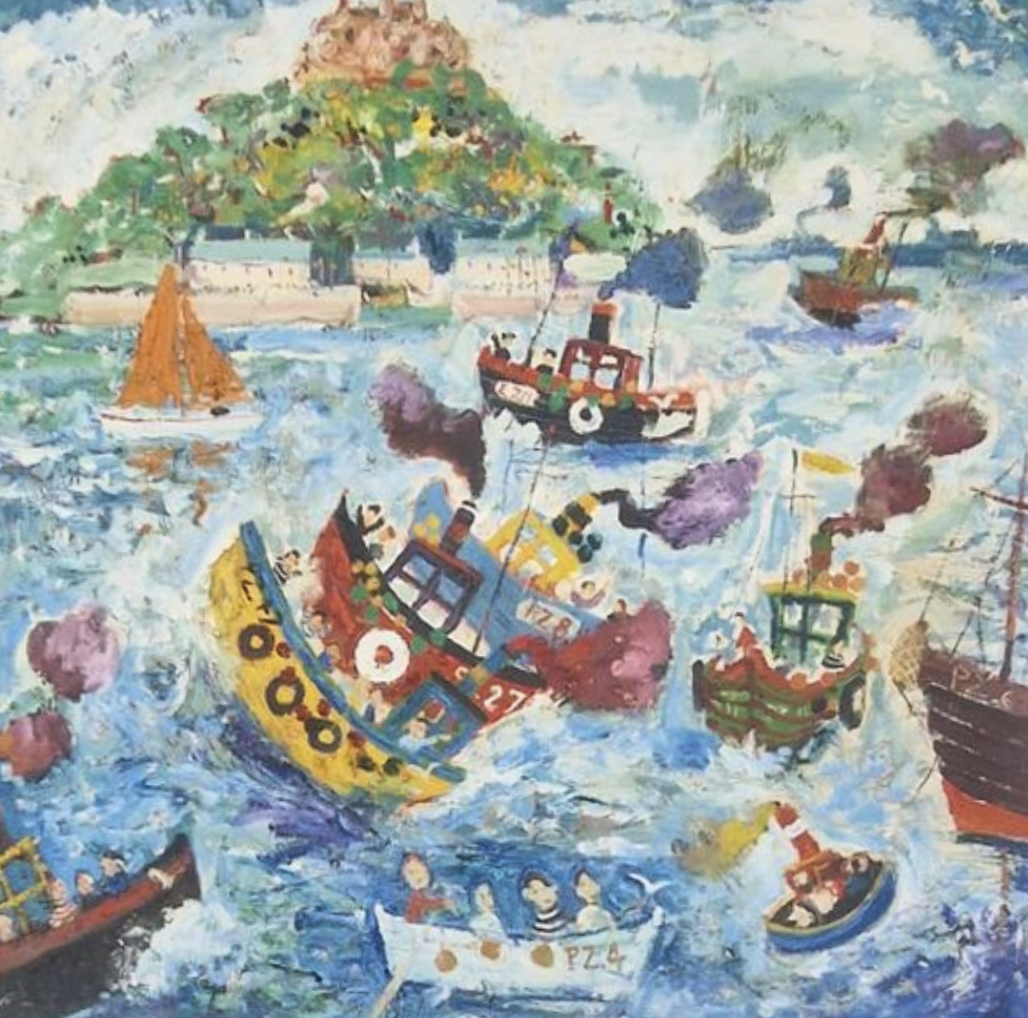
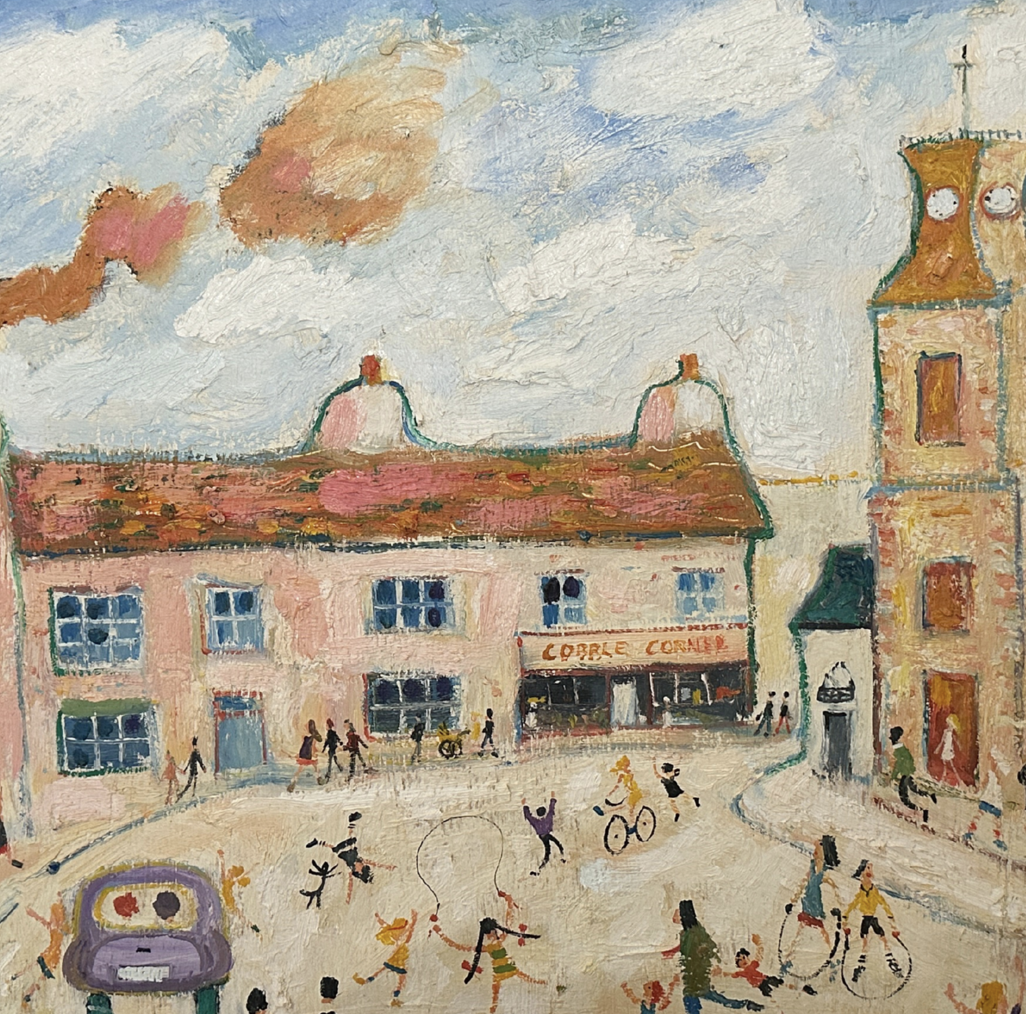
While much of this exhibition focuses on abstraction, Simeon Stafford represents an important counterpoint. His figurative and semi-abstract works are rooted in Cornish life — harbours, rituals, working communities — echoing the Newlyn School while remaining unmistakably contemporary.
Stafford’s work reminds us that Cornwall’s artistic identity has never been singular. Instead, it is a continuum, where representation and abstraction coexist, overlap, and inform one another.
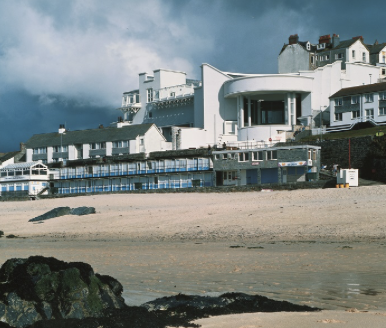
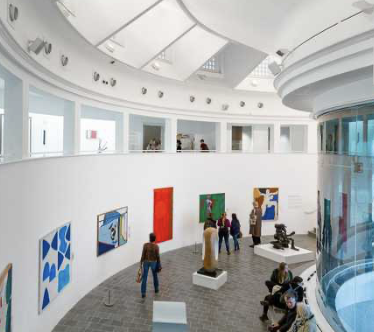
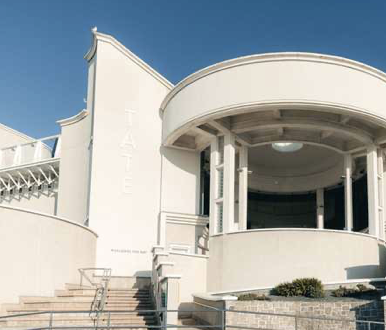
Tate St Ives and Institutional Recognition
The opening of Tate St Ives in 1993 marked a turning point. What had once been peripheral was formally canonised. Artists who worked in relative isolation were now repositioned within the national and international narrative of modern art.
Yet institutional recognition also risks smoothing edges — turning lived radicalism into heritage. This exhibition seeks to reclaim the urgency, difficulty, and conviction behind Cornish modernism.
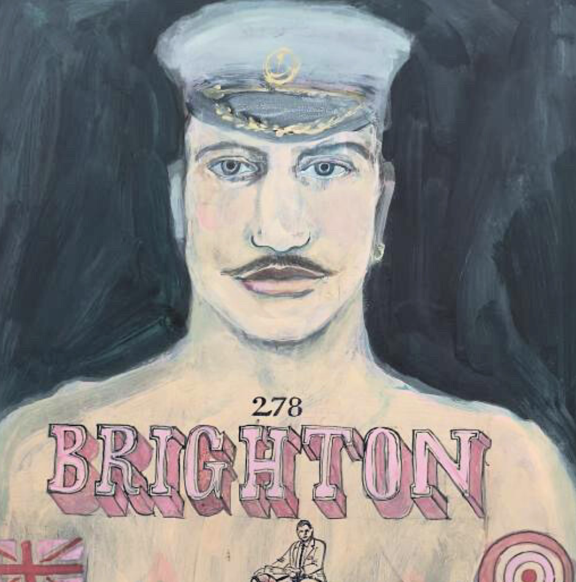
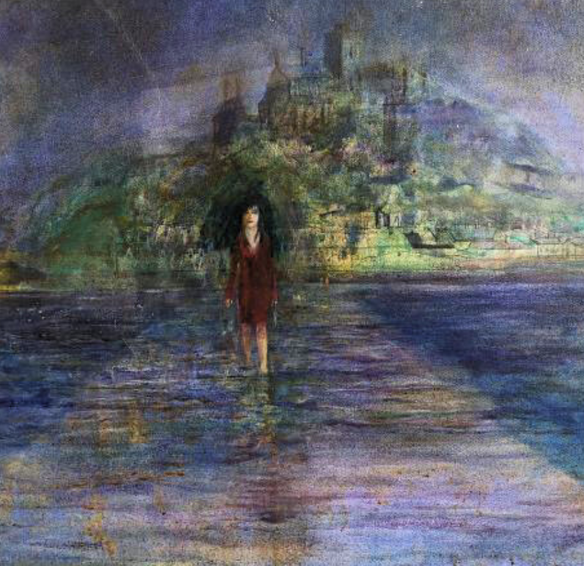
Gary Ray Smith: Inheritance, Autonomy, and Continuation
The final section of the exhibition brings this history into the present through the work of Gary Ray Smith.
Smith’s practice exists in dialogue with the Cornish lineage — abstraction, material sensitivity, emotional restraint — yet remains fiercely independent. His work is not revivalist. Instead, it reflects an artist shaped by inheritance but unwilling to be confined by it.
Where earlier generations sought to escape institutions, Smith works in their aftermath, navigating legacy, authorship, and personal autonomy. His presence in this exhibition underscores that Cornwall is not a closed chapter, but an ongoing conversation.
Conclusion
This exhibition positions Cornish art not as a regional footnote, but as a central force in the development of modern British painting. From Newlyn’s realism to St Ives’ abstraction, from faith and geometry to colour and gesture, Cornwall has repeatedly offered artists the freedom to work differently.
It remains a place where art is shaped by land, belief, and resistance — and where the past continues to inform, challenge, and inspire the present.
Heather x Jesse
HEATHER x JESSE
Heather x Jesse is an exhibition presented by Indelible Fine Art as a tribute to Heather’s close friend Jesse, whose life and creativity continue to shape the work shown here.
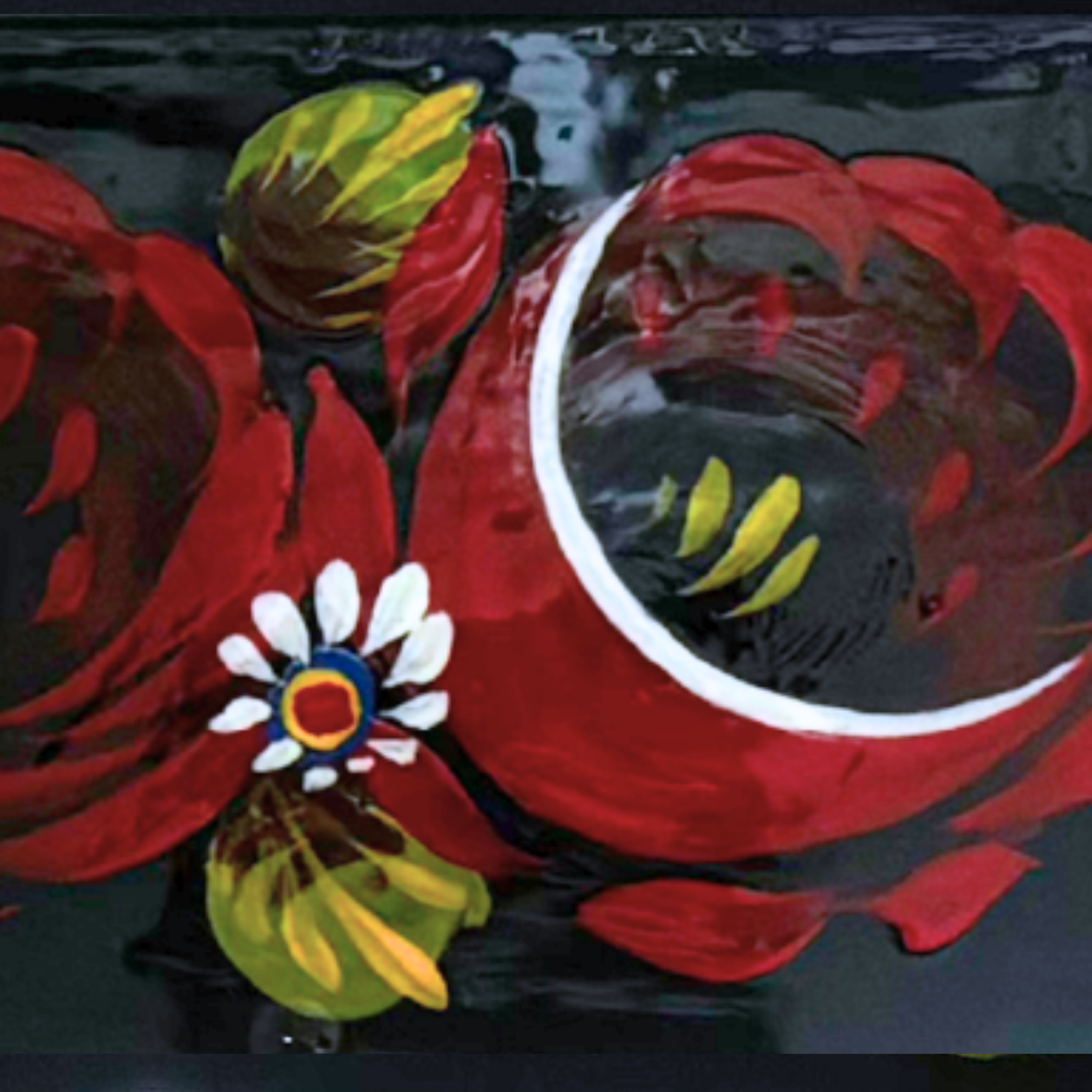
At its centre is Heather’s practice as a canal artist working in the traditional Roses & Castles style — a historic form of narrowboat decoration rooted in British working-class heritage. Defined by bold colour, symmetry and ornament, the tradition is both disciplined and expressive, carrying personal meaning while remaining part of a living craft passed between generations.
This exhibition brings together remembrance and making. It exists as a space to honour Jesse’s life without reducing it to a single moment, and to reflect on creativity, friendship and the role of art in holding memory.
Alongside Heather’s work, the exhibition is accompanied by selected pieces by Alan Davie, Trevor Bell, Adrian Heath and Simeon Stafford. Shown in dialogue, these works situate the exhibition within a wider lineage of British art, creating a quiet conversation between heritage, abstraction and contemporary practice.
The presentation is intentionally understated. It is not about spectacle or narrative drama, but about care, community and reflection. In parallel with the exhibition, Indelible Fine Art is using the space to signpost mental health support and resources, recognising the importance of open conversation and early intervention.
Heather x Jesse is presented as both an exhibition and a point of connection — a place to remember, to look closely, and to engage thoughtfully with the work on the walls.
Private View
The private view for Heather x Jesse will take place on Friday 13 February, 5:00–7:00pm, at Indelible Fine Art, Brighton.
Guests are invited to view the exhibition in a relaxed setting and spend time with the work, the artist, and the wider community around the project. The evening is intended as a quiet opening rather than a formal launch, allowing space for reflection and conversation.
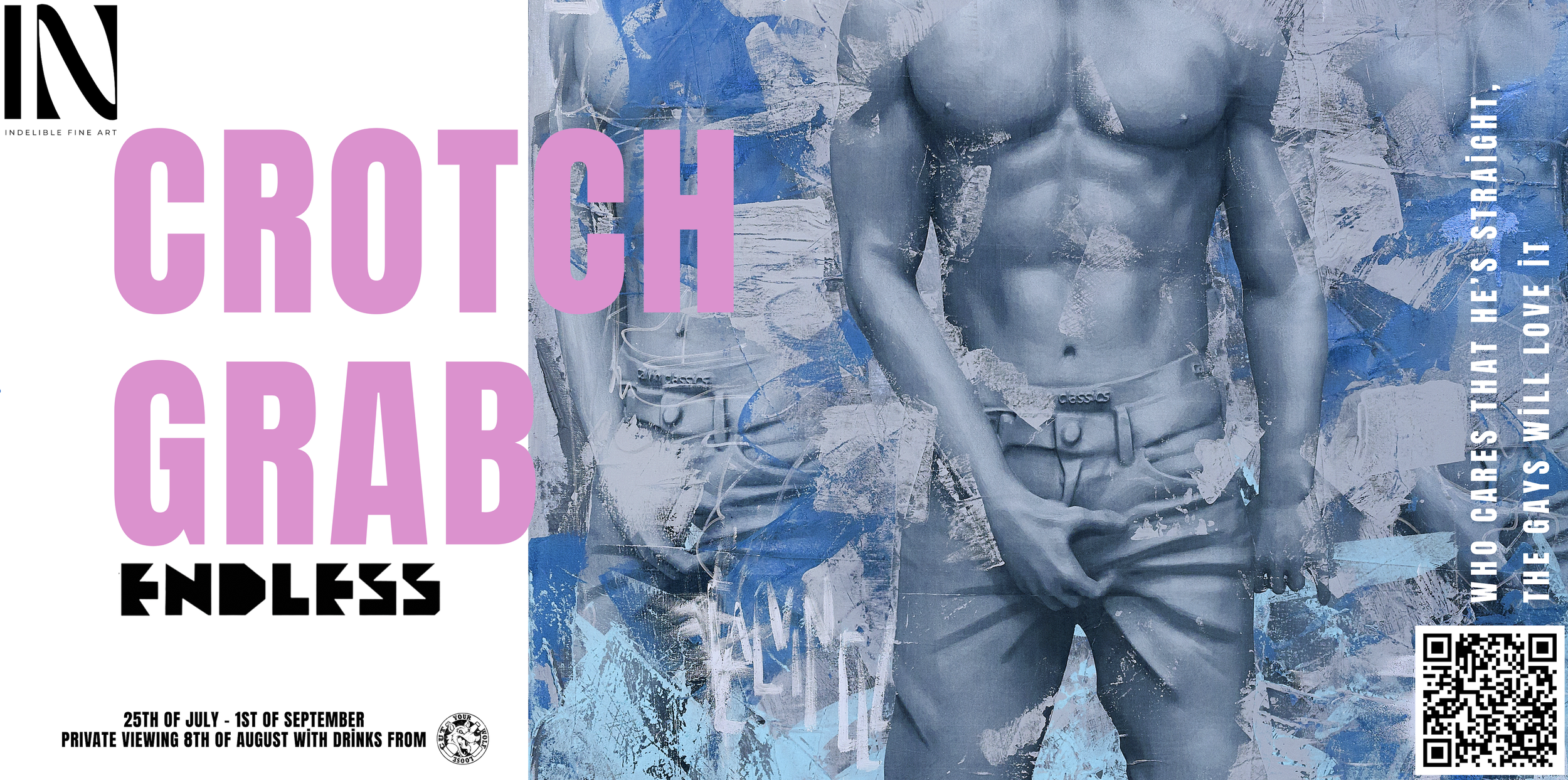
CROTCH GRAB exhibtion
Endless hits Brighton.
A street art icon lands at Indelible Fine Art with his most provocative series yet. From the alleys of East London to the walls of the Moco Museum — now centre stage in Brighton.
Private View: Friday 8 August, 6–9pm
Show Runs : 25th of July - 1st of September
Indelible Fine Art, 9–10 Jew Street
New murals. Iconic works.
This one’s not for the faint-hearted.
Come grab a piece of it.




GARY RAY SMITH | OI OI SAILOR
OI OI SAILOR
27 June – 19 July 2025Private view: Friday 27 June, 6–8pmIndelible Fine Art, 9–10 Jew Street, Brighton
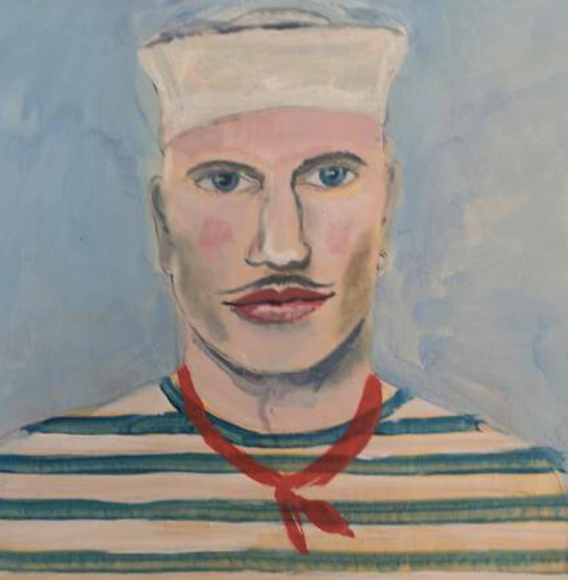
Claude’s back – and this time, he’s dropped anchor in Brighton.
In Oi Oi Sailor, Claude Decrepney paints the next chapter in the seafaring adventures of his recurring character, Claude the Sailor – a scrappy, stubborn, and oddly charming figure who's been bobbing around in the artist’s imagination (and sketchbooks) for decades. Having departed Cornwall in a storm of salt spray and spirit, Claude’s now made landfall in Brighton: still wind-beaten, still rum-soaked, and ready to carry on roaming.
Decrepney’s works are bold, graphic, and full of bite – part storybook, part pub wall, part sailor’s tattoo flash sheet. This is storytelling on canvas with a pint in hand and sea legs slightly wobbling. With a mix of new paintings and painted objects, Oi Oi Sailor is a love letter to the coast, to eccentricity, and to keeping the engine running, no matter how far off course things drift.
Come raise a glass and meet Claude – both of them.
By Artist Gary Ray Smith