

Indelible Fine Art Presents
The Lily Foundation
Charity Exhibition
A special contemporary art exhibition bringing together celebrated and emerging artists in support of The Lily Foundation and its vital work helping families affected by mitochondrial disease.
Art With Purpose
Creativity, community and hope.
Indelible Fine Art is proud to present a unique charity exhibition supporting The Lily Foundation, the UK's leading mitochondrial disease charity.
The exhibition brings together original works by internationally recognised artists and exciting contemporary talent. Each artist has contributed to a collection created to raise awareness, inspire conversation and help support families living with mitochondrial disease.
Through every visit, artwork purchase and donation, the exhibition helps The Lily Foundation continue funding research, providing family support and working towards a future in which mitochondrial disease can be effectively treated.
100% of the gallery's proceeds from the exhibition will be donated to The Lily Foundation.

About the Charity
Fighting mito.
Finding hope.
Mitochondrial disease is a rare genetic condition that affects the body's ability to produce the energy it needs to survive and function. It can affect almost any organ and frequently presents in babies and young children.
There is currently no cure. The Lily Foundation is working hard to change that by funding pioneering scientific research, supporting affected families and raising awareness of mitochondrial disease.
The charity was founded in memory of Lily Curtis and has grown into a major source of hope and practical support for families throughout the UK.
Family Butterfly Trail
Follow the butterflies through Brighton.
Alongside the charity exhibition, families are invited to take part in a free Butterfly Trail through Brighton's North Laine.
Pick up a trail card, visit ten participating locations and create a drawing in each box as you discover the butterflies hidden around the city.
Once the trail is complete, return to Indelible Fine Art to collect your finishing sticker, explore the exhibition and learn more about the work of The Lily Foundation.

 Touch encouraged
Exhibition Highlight
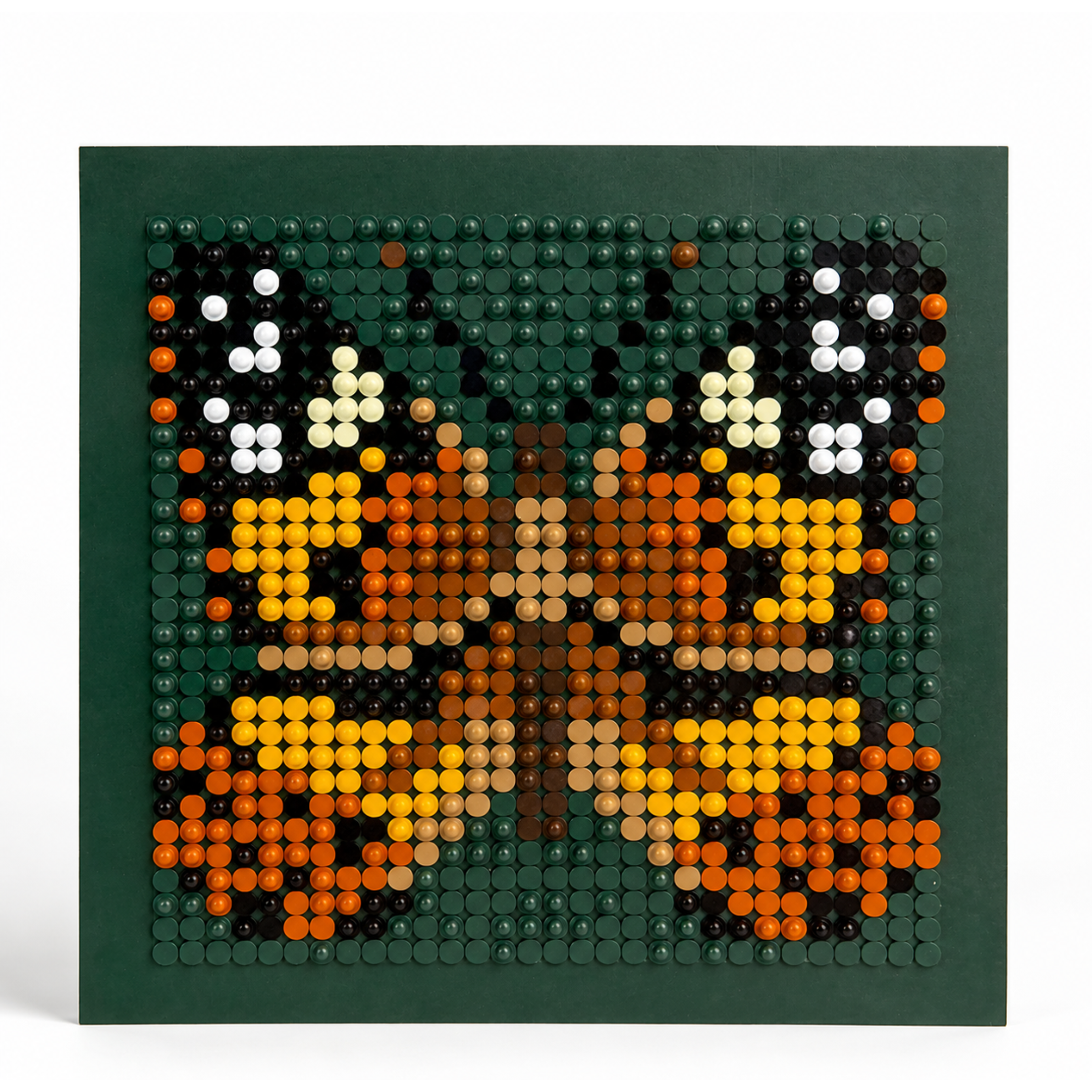
Mr Dot's tactile Braille butterfly.
Created especially for the exhibition, Mr Dot's Lepi-DOT-erists transforms The Lily Foundation's butterfly symbol into a tactile artwork that is designed to be touched.
The title refers to a lepidopterist, meaning a butterfly collector, while the raised dots across the artwork form an important message in Braille.
Participating Artists
Contemporary art united by one cause.
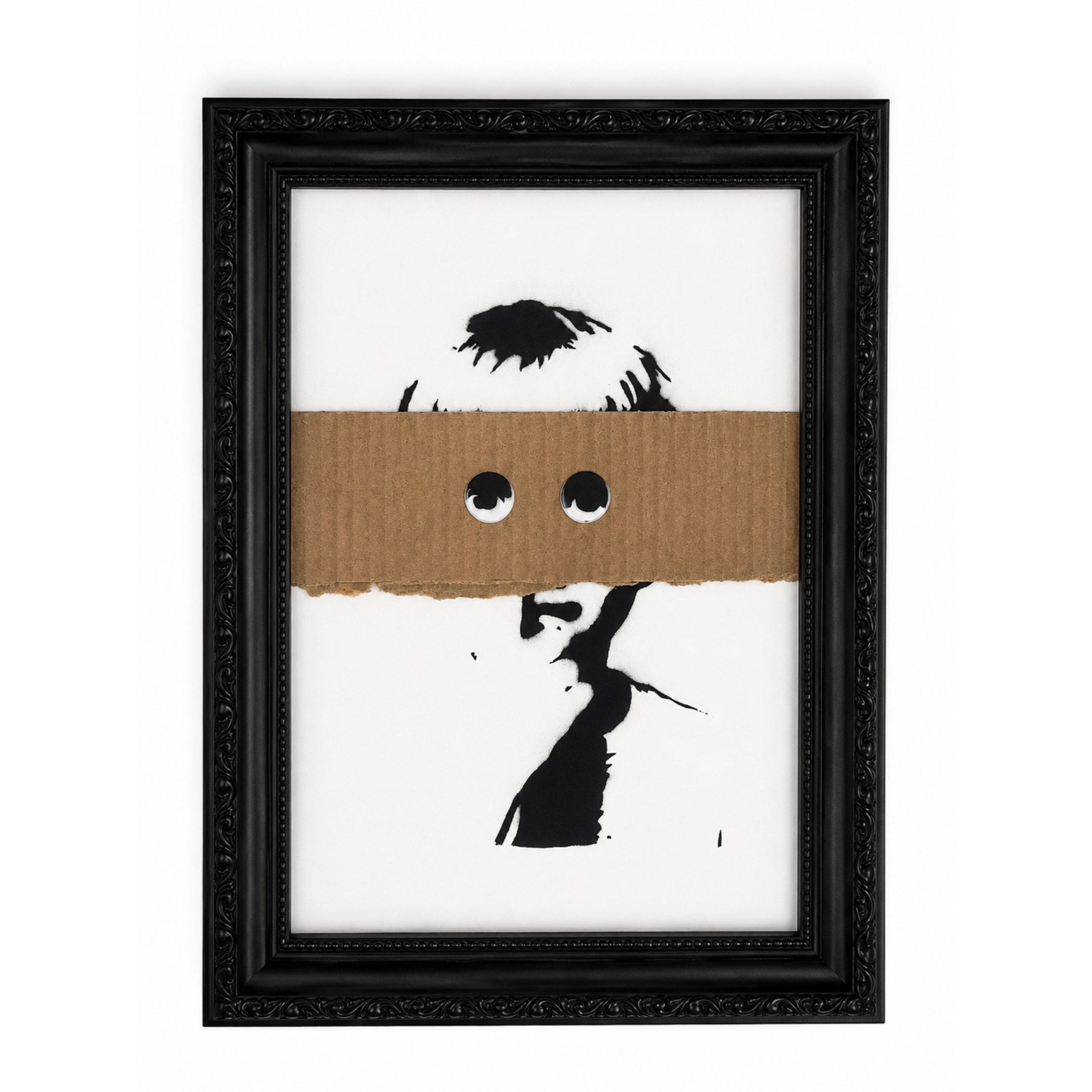
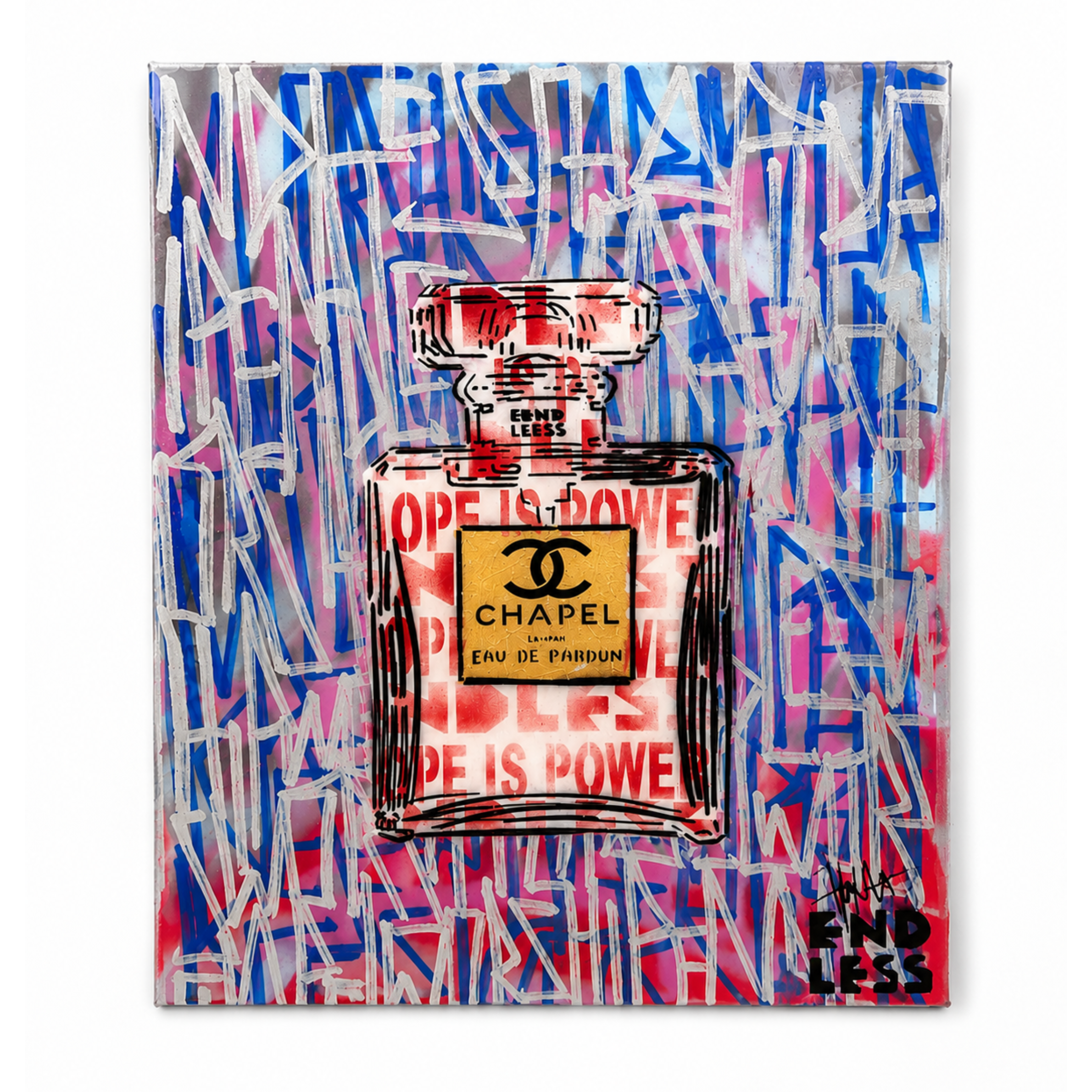
The exhibition brings together established names and emerging talent, with original artwork spanning painting, print, street art, sculpture and mixed media.
Available Works
Collect art.
Support change.
Explore original artworks and limited editions from the exhibition. Every purchase supports The Lily Foundation's work funding research and helping families affected by mitochondrial disease.
Visit the Exhibition
See the collection in Brighton.
Visit Indelible Fine Art to experience the exhibition in person, discover the stories behind the artworks and support an extraordinary charity.
Brighton
BN1 1UT
Help Make a Difference
Together, art can create hope.
Support The Lily Foundation by visiting the exhibition, collecting an artwork or donating directly to the charity. Every contribution helps fund research and support families affected by mitochondrial disease.